OSHA HAZWOPER 1910.120 · EPA RCRA
Contain first. Clean second. Paperwork third, and done right.
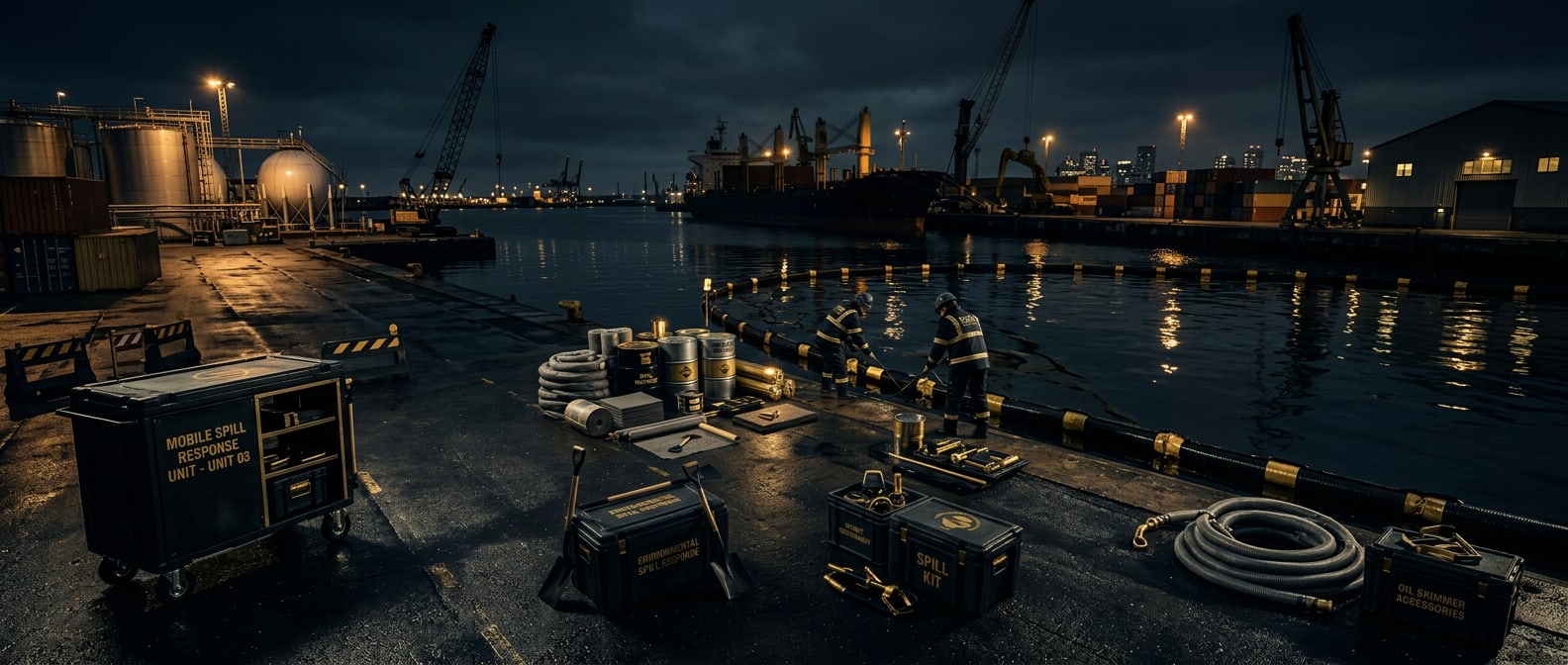
Granular absorbents, HAZWOPER-grade PPE and respiratory protection, containment, HEPA recovery, and waste staging for oil, chemical, and universal-waste response across the DFW region.
Environmental spill response sits at the intersection of multiple federal regulatory regimes. OSHA’s Hazardous Waste Operations and Emergency Response standard (29 CFR 1910.120, HAZWOPER) governs worker protection during hazardous-substance emergency response and cleanup operations, with mandated 24- and 40-hour training tracks depending on role. EPA’s Resource Conservation and Recovery Act (RCRA) regulates hazardous-waste generators, transporters, and TSDFs. The Clean Water Act and EPA’s Oil Spill Prevention, Control, and Countermeasure (SPCC) rule govern facility-level oil handling. DOT’s Hazardous Materials Regulations (49 CFR 100–185) control transport. None of it is optional.
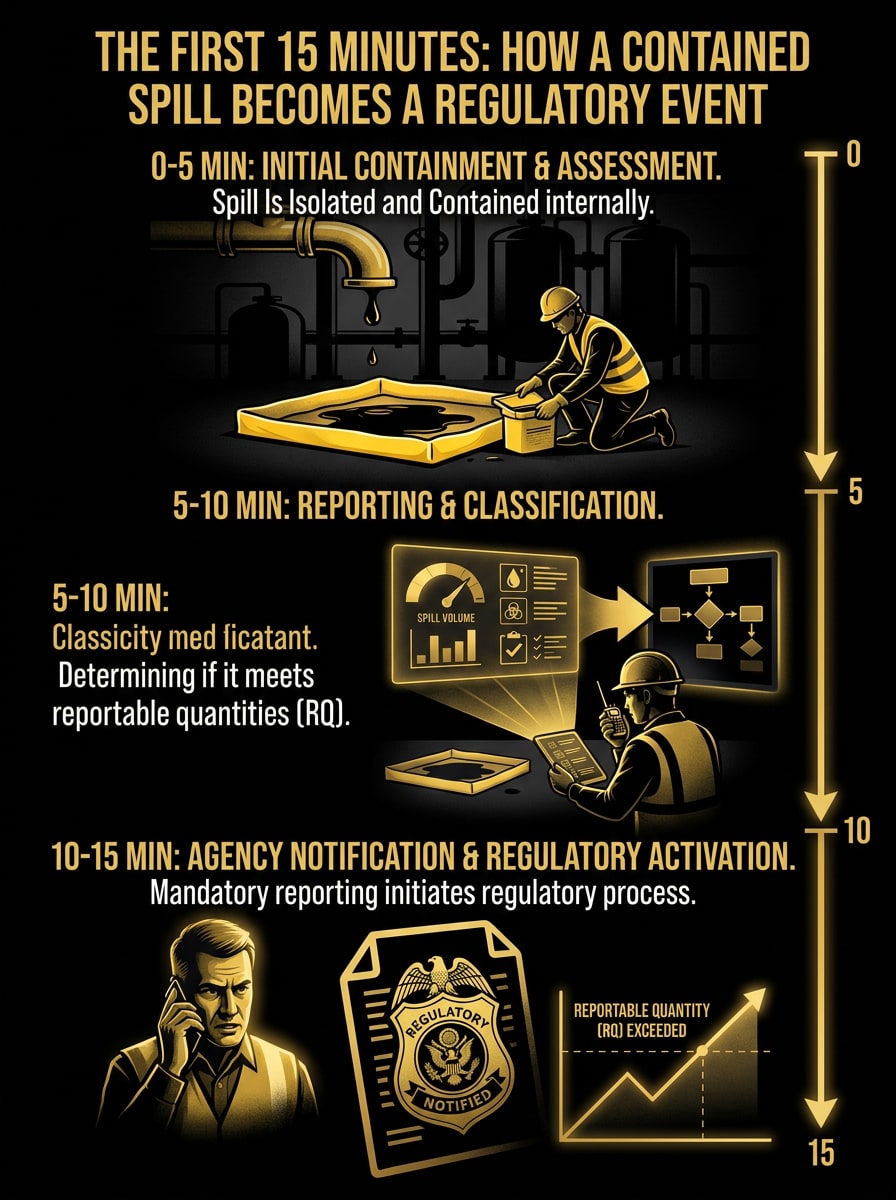
The first 15 minutes of an environmental response decide whether the incident stays a line item or becomes a regulatory event. An absorbent that runs out at half the release volume, a suit material the chemical walks straight through, or a respiratory cartridge that isn’t rated for the vapor in play turns a contained spill into a release requiring CERCLA or state-agency notification. The distributor’s job here is to keep the response stack ready, and to know the chemistry well enough to ship the right answer on the first call, not the third.
Stampede stocks CEP granular cellulose absorbent for hard-surface recovery; Trimaco and Surface Shields floor and surface protection for remediation staging; ZipWall containment for interior response; KleenRite extractors for water-phase recovery on aqueous releases; Mastercraft HEPA vacuums for dry-particulate cleanup; Sentinel Products chemistries; 3M and PIP Global Safety (North) chemical-resistant PPE including organic-vapor respirators, chemical-splash suits, and nitrile and neoprene gloves. DFW-local same-day pickup; regional HAZMAT calls routed through the 24/7 CAT line.
What we stock
Granular Absorbents & Recovery
CEP granular cellulose absorbent for hard-surface hydrocarbon and chemical recovery, plus the scoops, pails, and staging that go with it.
Containment, Waste Staging & Surface Protection
Six-mil disposal bags, corrugated waste boxes, tilt carts, ZipWall containment for interior response, Trimaco floor protection, and poly sheeting for spill-zone staging.
HAZWOPER PPE & Respiratory Protection
Chemical-splash suits, nitrile and neoprene gloves, 3M full-face respirators with organic-vapor, acid-gas, and combination cartridges for HAZWOPER response stacks.
Recovery Equipment, HEPA & Extraction
Mastercraft HEPA vacuums for dry-phase recovery, KleenRite extractors for aqueous releases, and the consumables (filters, hoses, wands) that keep them field-ready.




Common questions
What absorbent type do I use on an oil-on-water release?
Hydrophobic sorbents selectively absorb petroleum and leave water behind, and they are the correct product for an on-water release. Stampede does not stock them, and does not carry the hydrophobic versus universal grade distinction, so we will point you at a source rather than sell you the wrong thing. What we do stock is granular cellulose absorbent for hard-surface recovery, the HAZWOPER PPE stack, containment, recovery equipment, and waste staging. Our spill response calculator sizes all of that and says plainly where the gaps are.
Is your warehouse staged for a 24/7 spill call?
For DFW regional response, yes, the CAT line at 214.235.0721 routes to a rep who can open the Grand Prairie warehouse for unscheduled pickup. The spill SKUs, granular absorbent, HAZWOPER PPE, containment, HEPA recovery, and waste staging, are the ones we specifically keep stocked deep enough that a 3 AM release doesn't mean a 48-hour wait on a DC ship.
Do you drop-ship spill kits to remote facility locations?
We stock a mercury spill kit, and we build response stacks to order: granular absorbent, HAZWOPER-grade PPE sized to your hazard, containment, decon supplies, HEPA recovery, and waste staging, shipped as a set to as many sites as you need. We do not stock pre-configured hydrocarbon, universal, or acid and caustic kits. Many of our SPCC-regulated customers stage a Stampede-built stack at multiple sites with an annual refresh cycle; we handle both the initial build and the refresh cadence.
What respiratory protection is standard on a hydrocarbon release?
For organic-vapor exposure from hydrocarbon releases, the default is an air-purifying respirator with NIOSH-approved organic-vapor (OV) cartridges, often in combination with P100 particulate filters. Full-face is typical for eye protection. High-concentration atmospheres or IDLH conditions require a supplied-air respirator or SCBA and HAZWOPER-trained response, Stampede does not certify or train, we supply to the response contractors who do.
FIELD REPORTS
From this vertical
Environmental
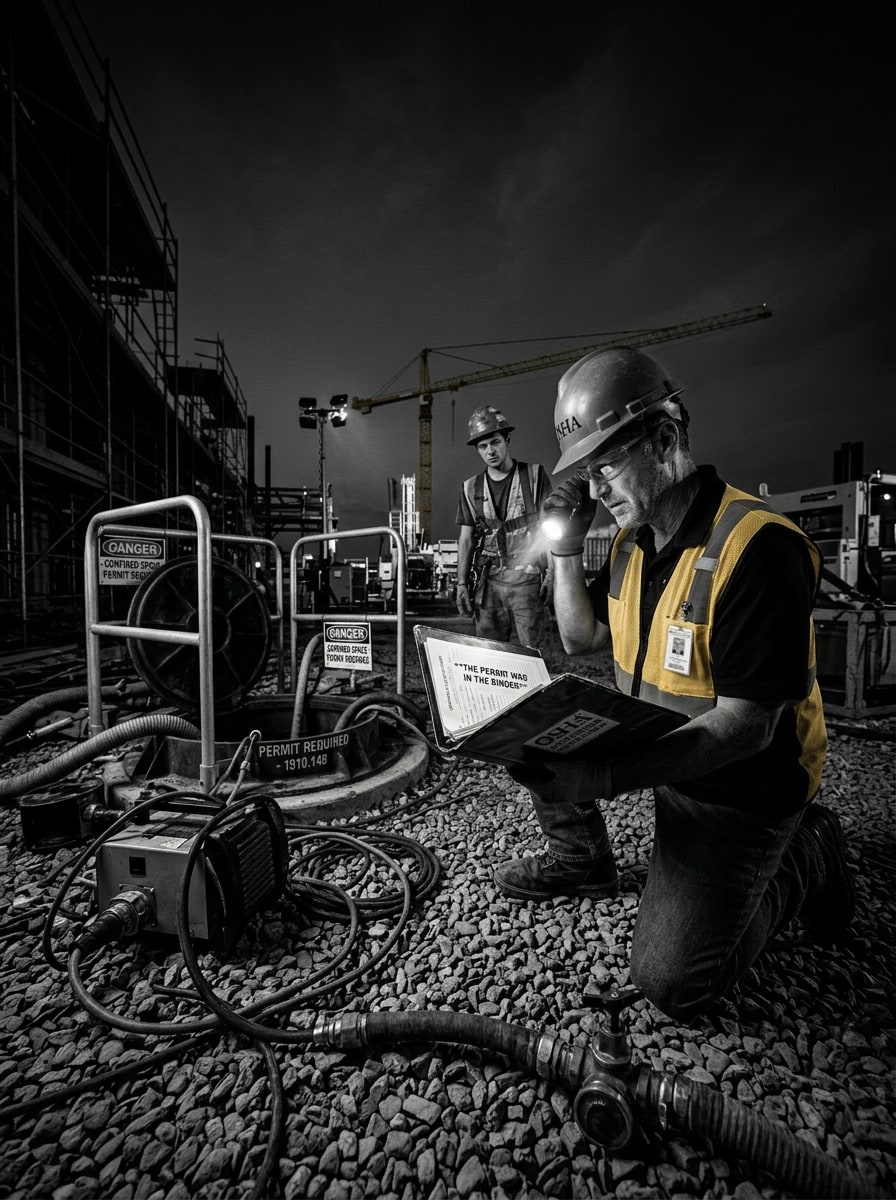
The Permit Was in the Binder, the Atmosphere Was Not: The Confined-Space Entry That Kills
OSHA 1910.146 does not care that the permit was filled out. A confined space is won by the calibrated gas monitor, the blower, and the retrieval rig.
Environmental
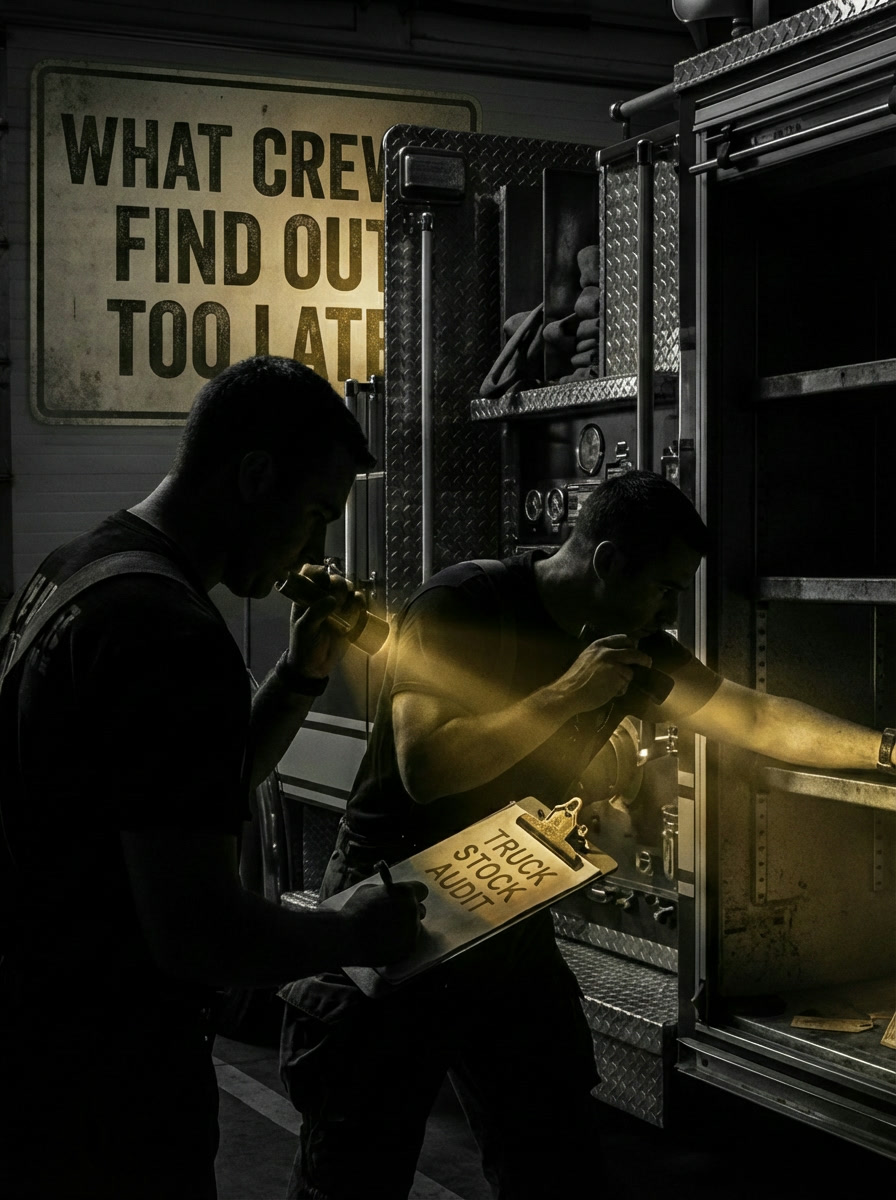
The Truck Stock Audit: What Emergency Crews Find Out Too Late
The emergency response truck either carries the first fifteen minutes or it carries an excuse. Audit the stock before the release, not after the call.
Environmental
The First 15 Minutes: How a Contained Spill Becomes a Regulatory Event
HAZWOPER doesn’t grade on a curve. Neither does RCRA. The wrong sorbent at minute 12 turns a line-item incident into a CERCLA notification.
You might also need
Hazmat
Biohazard & Trauma Cleanup
Hospital-grade disinfectants, Bioesque and Benefect botanicals, bloodborne-pathogen PPE, biohazard bags and sharps containment, HEPA vacuums, and decontamination chemistry for trauma and infectious-disease scenes.
Facilities
Facilities Management
Floor machines, HEPA vacuums, industrial brooms and brushes, window and restroom tools, disinfectant chemistry, and facility PPE, for the in-house teams and commercial cleaners keeping DFW buildings operational.