OSHA 29 CFR 1926.1101 · 1926.62
Abatement runs on paperwork and airflow. We stock the airflow.
Negative-air machines, HEPA pre-filters and bags, critical-barrier poly, decon chamber components, chemical sealers, and abatement-spec PPE for crews working to OSHA asbestos and lead standards.
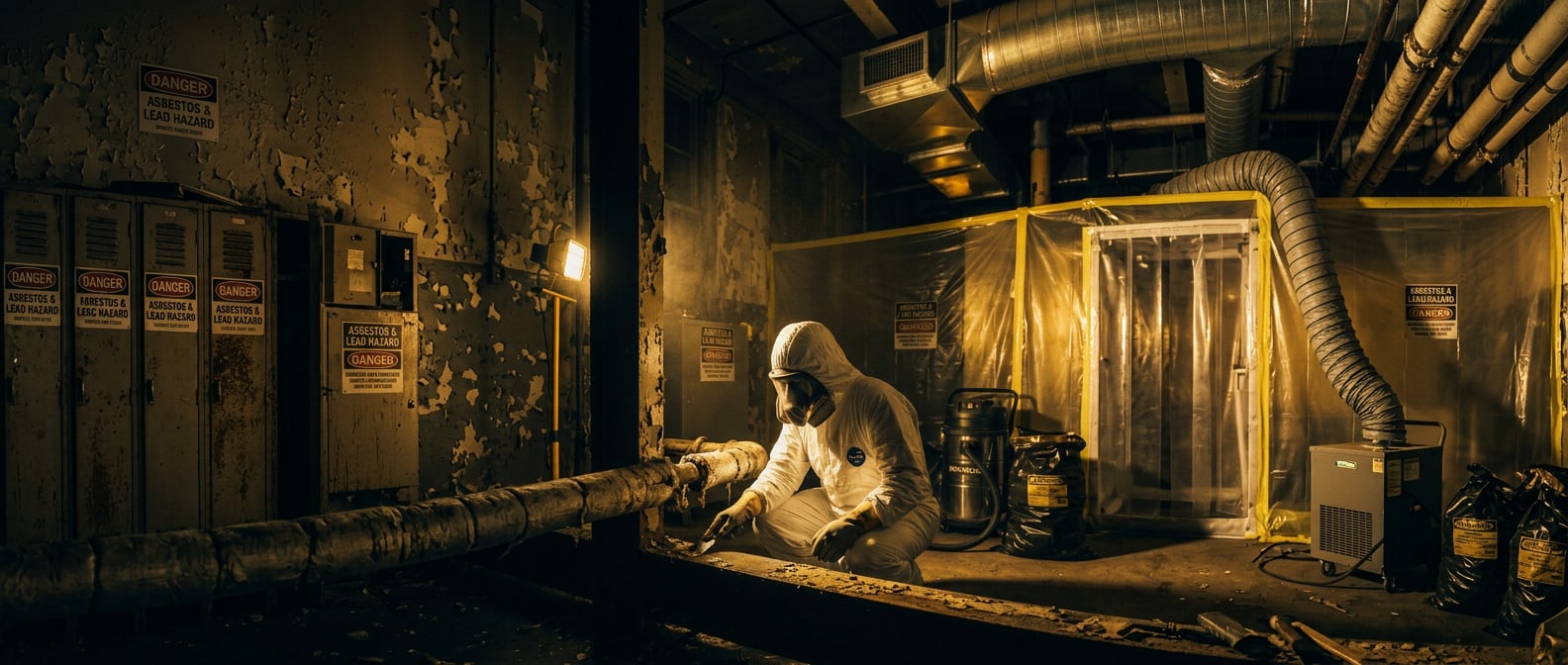
Abatement is the most heavily regulated scope Stampede serves. Asbestos work in construction is governed by OSHA 29 CFR 1926.1101, Class I–IV work with specific engineering controls, negative-pressure enclosures, HEPA filtration, wetting agents, and personal air monitoring by PEL (0.1 f/cc 8-hour TWA). Lead-based paint work is governed by OSHA 29 CFR 1926.62 (construction) and 1910.1025 (general industry), and EPA’s Renovation, Repair, and Painting (RRP) rule applies to pre-1978 target housing and child-occupied facilities. EPA NESHAP (40 CFR Part 61, Subpart M) adds federal notification and disposal requirements for regulated asbestos-containing material.
None of that regulatory surface is negotiable, and none of it is the distributor’s job to enforce. What is the distributor’s job is making sure the enclosure can hold negative pressure for the entire shift, the HEPA filters haven’t been sitting in inventory so long that the gaskets have hardened, the poly is the right mil and fire-rating, and the respiratory cartridges are in date. Supply failures in abatement don’t just cost a day, they trigger work-stoppage, re-notification in some jurisdictions, and a potential OSHA citation.
Stampede stocks NC Filtration negative-air machines (the workhorse abatement unit) with fresh HEPA final-stage filters and matched pre-filter cartridges, Mastercraft HEPA vacuums, Sentinel Products abatement sealers and encapsulants, Engineering Solutions pre-filters and bags, Trimaco and Surface Shields critical-barrier poly and protection, Berry / Nashua / Polyken abatement-grade tapes including 396 and 398, 3M half-mask and full-face respirators with P100 and HE cartridges, and Taylor Tools spud bars and floor scrapers for tile and mastic removal. Direct manufacturer relationships keep cartridge and filter dating honest.
What we stock
Negative-Air Machines & HEPA Filters
NC Filtration abatement-grade negative-air machines with dated HEPA finals, pre-filters, and bag media, sized by enclosure volume and air-change target.
Critical-Barrier Poly, Tape & Containment
Fire-rated 6 mil poly, critical-barrier 4 mil, Polyken / Nashua abatement tapes (396, 398), zipper doors, and decon chamber components for Class I and II work.
Abatement PPE & Respiratory Protection
3M half-mask and full-face elastomeric respirators, P100 and HE filters, organic-vapor cartridges for sealer work, Tyvek coveralls, and boot covers.
Sealers, Encapsulants & Removal Tools
Sentinel abatement sealers, lockdown encapsulants, Taylor Tools spud bars, scraper blades, and wetting-agent applicators for tile, mastic, and floor-tile work.




Common questions
What HEPA filtration spec do abatement enclosures actually require?
OSHA 1926.1101 requires HEPA filtration (99.97% at 0.3 micron) on exhaust from negative-pressure enclosures during Class I and II asbestos work. The practical implication is that the negative-air unit and its final-stage filter must be HEPA-certified, dated, and sealed, not a bypass-prone "HEPA-type." NC Filtration's abatement line is one of the most widely specified in the industry because the gaskets and housings are built for this duty cycle.
Is Stampede licensed for asbestos removal work?
No, Stampede is a distributor of abatement supplies, not a contractor. In Texas, asbestos abatement is licensed under the Texas Department of State Health Services Asbestos Program, and the contractor, supervisor, and workers carry individual licenses. We supply the gear those licensed firms use. If you're a property owner looking for an abatement contractor, we can point you to several DFW firms who buy from us.
Do you stock Polyken 396 and Nashua abatement-grade tapes?
Yes. Berry Global's Nashua and Polyken abatement-grade tapes: 396, 398, and the related product family, are core stocking items. These are specified for critical-barrier construction where lower-adhesion general-purpose duct tapes fail.
What's the right respirator cartridge for lead and asbestos work?
For OSHA-regulated asbestos and lead, P100 (magenta) filters are the minimum particulate spec for negative-pressure air-purifying respirators. When abatement sealers or solvents are in the air, add organic-vapor cartridges in combination. PAPRs (powered air-purifying respirators) are commonly specified for high-exposure or long-duration work. Stampede carries the 3M elastomeric families and compatible filters.
Can you drop-ship filters and poly to an out-of-state job site?
Yes, we drop-ship nationwide with most major carriers, and we coordinate with abatement firms running interstate work. DFW-local pickup is still same-day; out-of-state shipments run next-day air or standard ground depending on job urgency.
FIELD REPORTS
From this vertical
Abatement
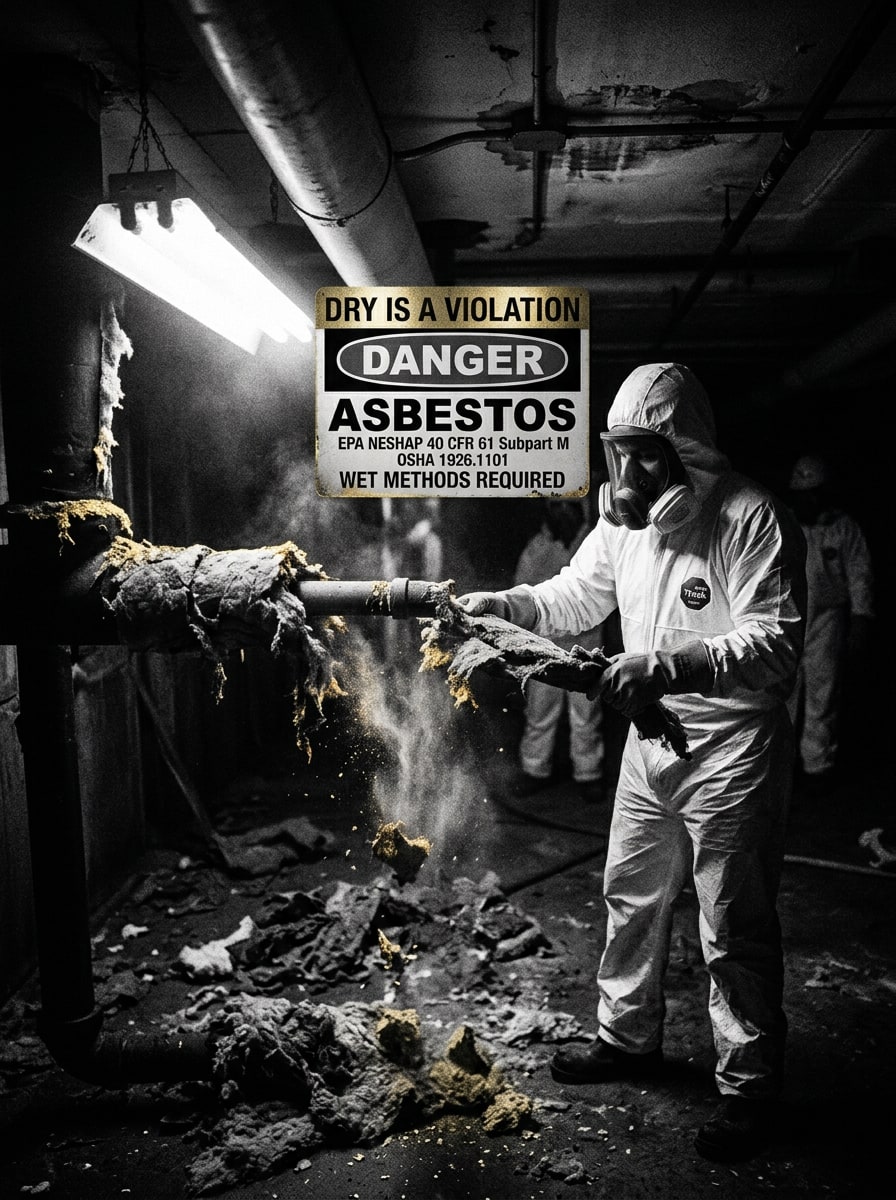
Dry Is a Violation: When Asbestos Removal Without Amended Water Becomes a Federal Case
NESHAP requires regulated asbestos material be kept adequately wet. A dry-stripped pipe is a documented federal violation, whatever the abatement plan says.
Abatement
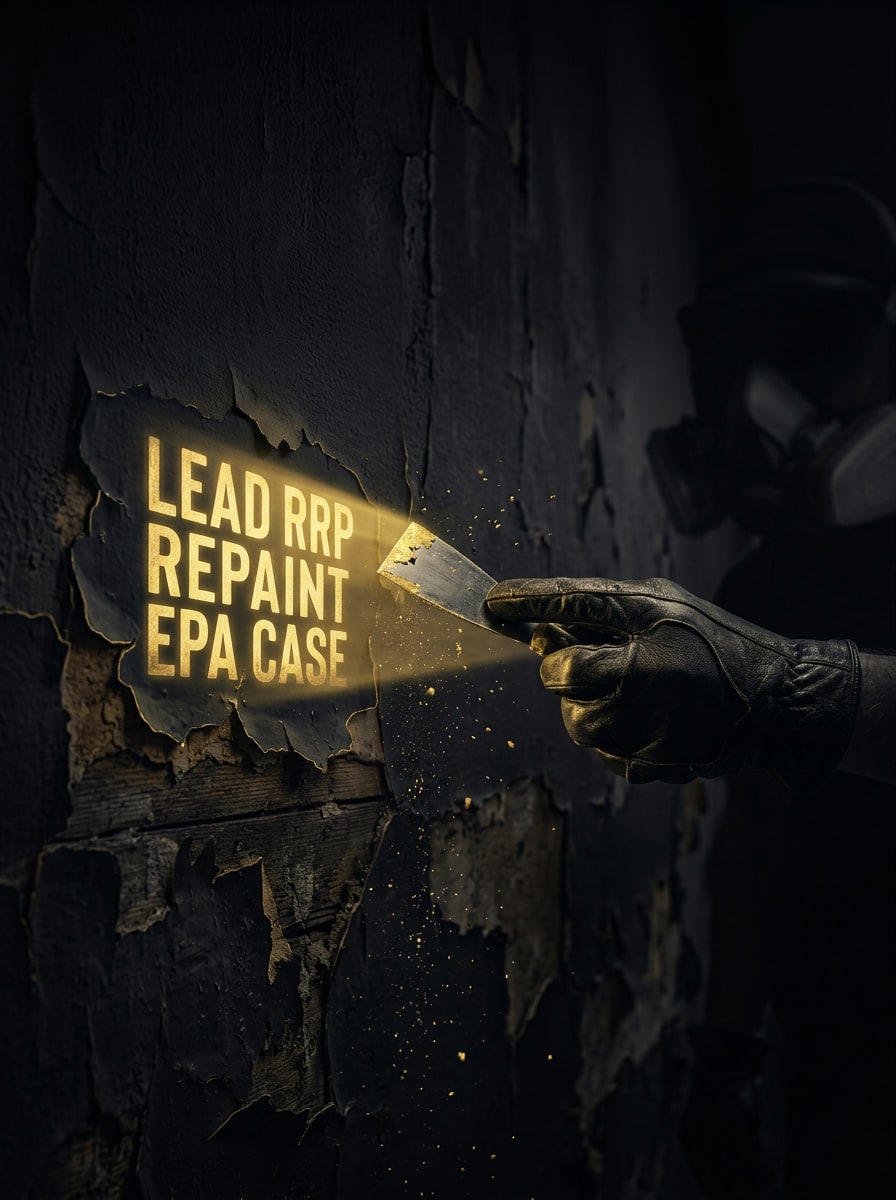
Pre-1978 and Unprepared: When a Repaint Becomes an EPA Lead Case
A scraper, a pre-1978 wall, and no RRP-certified firm on the ticket is not a paint job. It is lead-safe work-practice noncompliance with a federal penalty schedule attached.
Abatement
When PPE Substitution Becomes a Liability Problem
The wrong respirator is not a harmless swap. Once fit, cartridge, hazard, or protection factor changes, the contractor has a documentation problem.
You might also need
Restoration
Mold Remediation
Negative-air machines, zip-wall containment, HEPA vacuums, botanical and EPA-registered antimicrobials, encapsulants, and moisture verification gear for crews working to the IICRC S520 Condition 1 standard.
Hazmat
Biohazard & Trauma Cleanup
Hospital-grade disinfectants, Bioesque and Benefect botanicals, bloodborne-pathogen PPE, biohazard bags and sharps containment, HEPA vacuums, and decontamination chemistry for trauma and infectious-disease scenes.