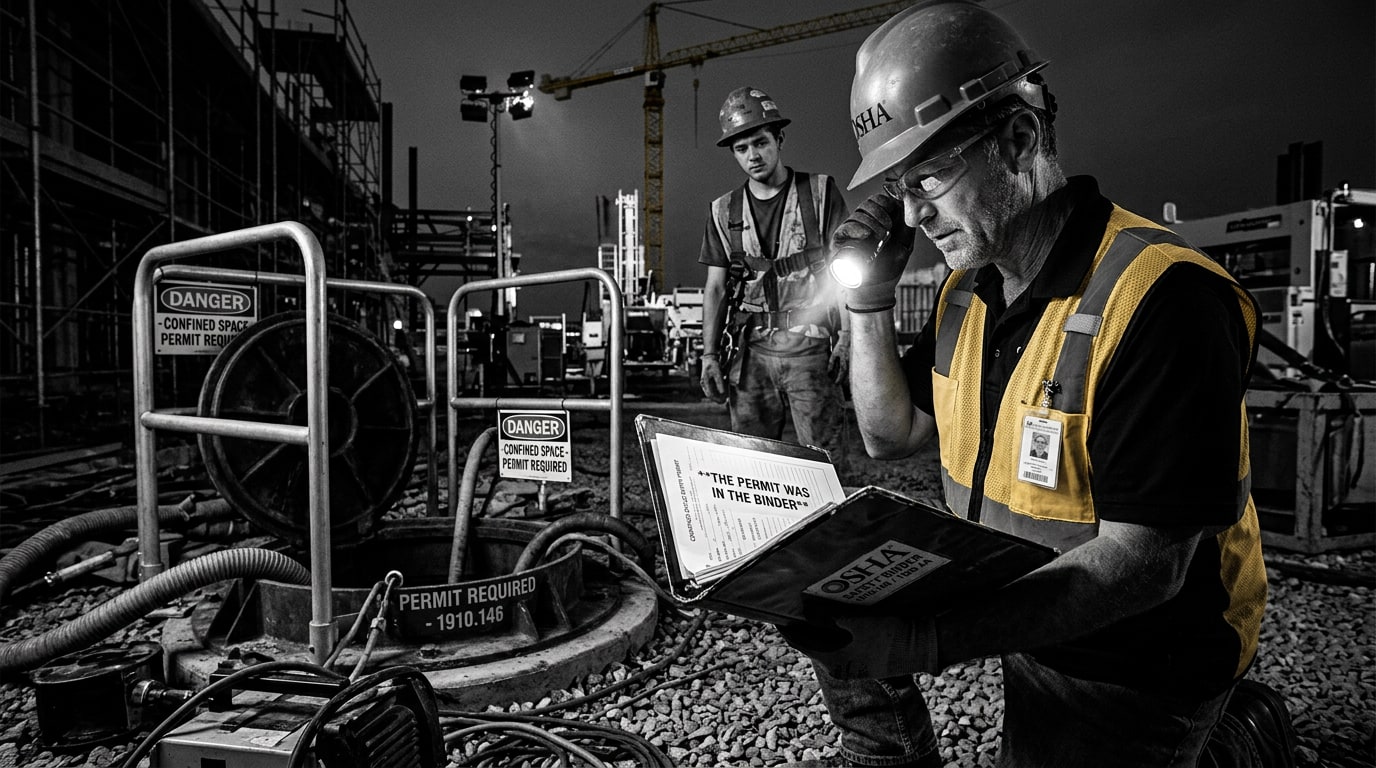
The permit was perfect. Entry supervisor signed, hazards listed, rescue plan checked, the whole form taped to a clipboard hanging on the fence at the top of the vault. Everything the binder asked for was done. The one thing the binder cannot do, confirm what is actually in the air at the bottom of a below-grade valve vault, was the one thing nobody did, because the four-gas meter on the truck had not seen a bump test in weeks and its oxygen sensor had drifted low and lazy.
The tech went down the ladder to close a valve on a contained release. The vault had gone oxygen-deficient, displaced by gas working up out of the line, and he was unconscious before he understood he was in trouble. His partner did what almost everyone does: dropped the clipboard and went down after him, no meter, no air, no retrieval line. The rescue is how confined-space entries turn one fatality into two.
The permit did not fail. The permit was fine. The atmosphere killed him, and the atmosphere was never the paperwork's job to measure. It was the meter's, and the meter had not been trusted, tested, or believed since the last time it mattered.
The permit is the plan. The atmosphere is the hazard.
There is a comfortable illusion in confined-space work that a completed permit means a safe space. It does not. The permit under OSHA 1910.146 and, for construction, 29 CFR 1926 Subpart AA, is the documentation that the right controls were identified and put in place. It is not a substitute for any of them. The permit records that you tested the air. It does not test the air.
A permit-required confined space is defined by hazard potential, and the deadliest of those hazards is atmospheric: oxygen deficiency, flammable vapors, and toxic contaminants, none of which announce themselves to human senses in time to matter. You cannot smell your way to a safe oxygen level. By the time a displaced atmosphere feels wrong, the worker is often already incapacitated. That is precisely why the standard makes measurement, not perception, the gatekeeper of entry.
Test in the right order, to the right thresholds
The standard does not just say "test the air." It specifies what, and in what sequence, with a calibrated direct-reading instrument, before anyone enters:
- Oxygen first. Every other reading depends on it, and oxygen displacement is the fastest killer. Under OSHA's definitions, the safe band is 19.5 percent to 23.5 percent. Below 19.5 is oxygen-deficient; above 23.5 is oxygen-enriched and a fire accelerant.
- Flammable gases and vapors second, measured against the lower explosive limit. The action threshold is conservative for a reason: entry is not permitted at or above 10 percent of the LEL.
- Toxic air contaminants third, measured against their permissible exposure limits, hydrogen sulfide, carbon monoxide, and whatever the specific space and process can generate.
The order is not bureaucratic. Oxygen concentration affects the accuracy of combustible-gas sensor readings, so you establish oxygen before you trust the LEL number. A crew that "checks the air" with a meter in the wrong sequence, or with a meter it never verified, is performing the ritual of testing without the result.
The meter that lies: bump test is not calibration, and both are not optional
Here is the failure at the center of the opening. A gas monitor is only as trustworthy as its last verification, and there are two separate verifications that crews routinely conflate or skip:
- A bump test is a brief exposure to a known test gas to confirm the sensors respond and the alarms actually fire. It answers one question: is this instrument alive today? OSHA and instrument manufacturers call for it before each day's use.
- A calibration is a full-span adjustment against certified gas that resets the meter's accuracy. It answers a different question: are the numbers this instrument reports still true?
A meter that has not been bump-tested can read a comfortable 20.9 percent oxygen while the space is lethally deficient, because a dead or drifted sensor fails quiet. It does not throw an error. It reports the last thing it believes, and a crew that trusts an unverified reading is trusting a number the instrument has no basis to stand behind. The permit program requirements exist because the instrument is the control, and an uncalibrated control is no control at all.
The atmosphere is dynamic, so the monitoring has to be continuous
A pre-entry test is a photograph. The space is a movie. Atmospheres in vaults, tanks, lift stations, and pits change as product moves, as temperature shifts, as the work itself, cutting, coating, applying solvents, generates new contaminants. This is why the standard leans on continuous monitoring during the entry, not a single clearance reading at the top of the ladder.
Ventilation is the other half of that dynamic. Forced-air ventilation with a blower does not just wait out a bad atmosphere; it actively changes it, purging displaced gas and holding a safe mix while the entry proceeds. But ventilation is a control that has to keep running and keep being measured, because the moment it stops or is defeated, the atmosphere can revert. Monitoring tells you whether the ventilation is winning. Without live readings, the blower is a hope, not a control.
Rescue is the part that kills the rescuer
The most brutal statistic in confined-space work is that a large share of the people who die in these spaces are would-be rescuers, coworkers who saw someone go down and went in without air, without a meter, without a line. OSHA's confined-spaces guidance and the NIOSH fatality data behind it return to the same finding over and over: the untrained rescue is the second death.
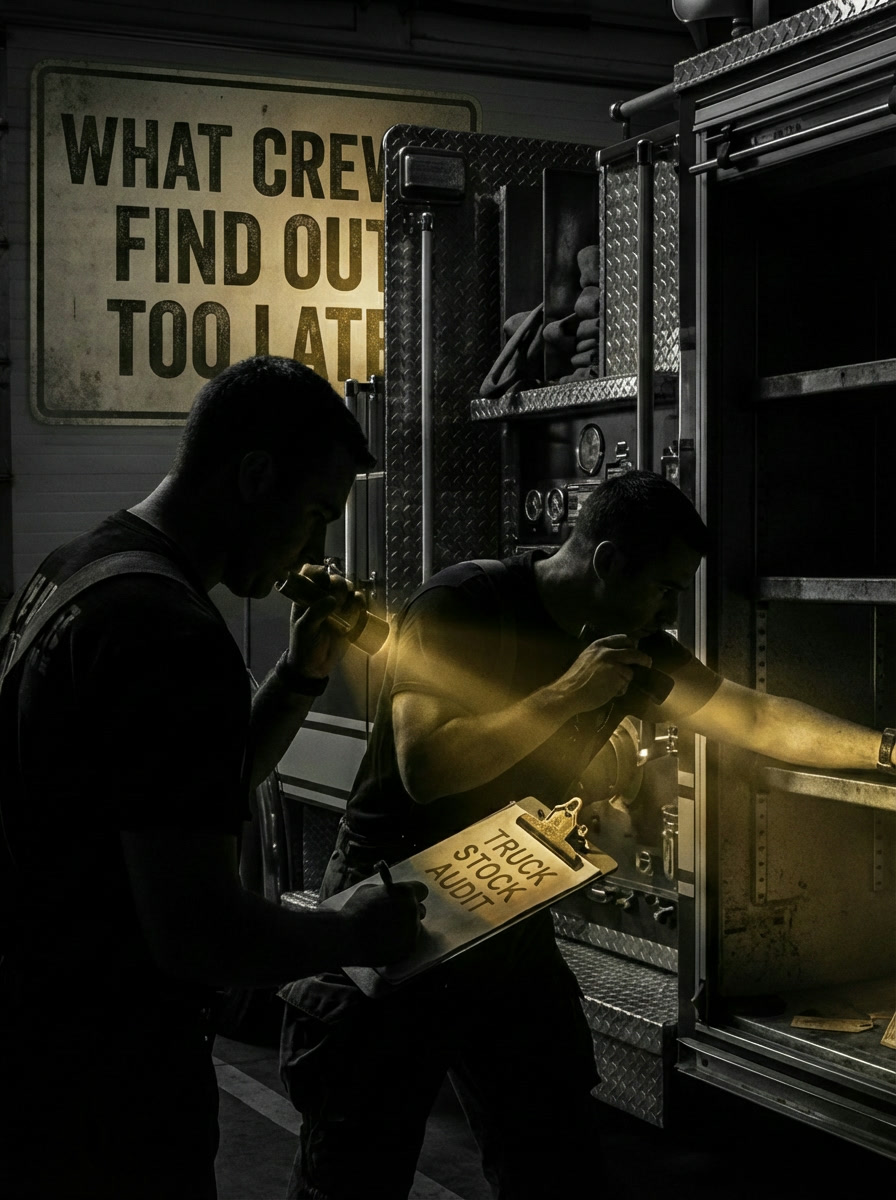
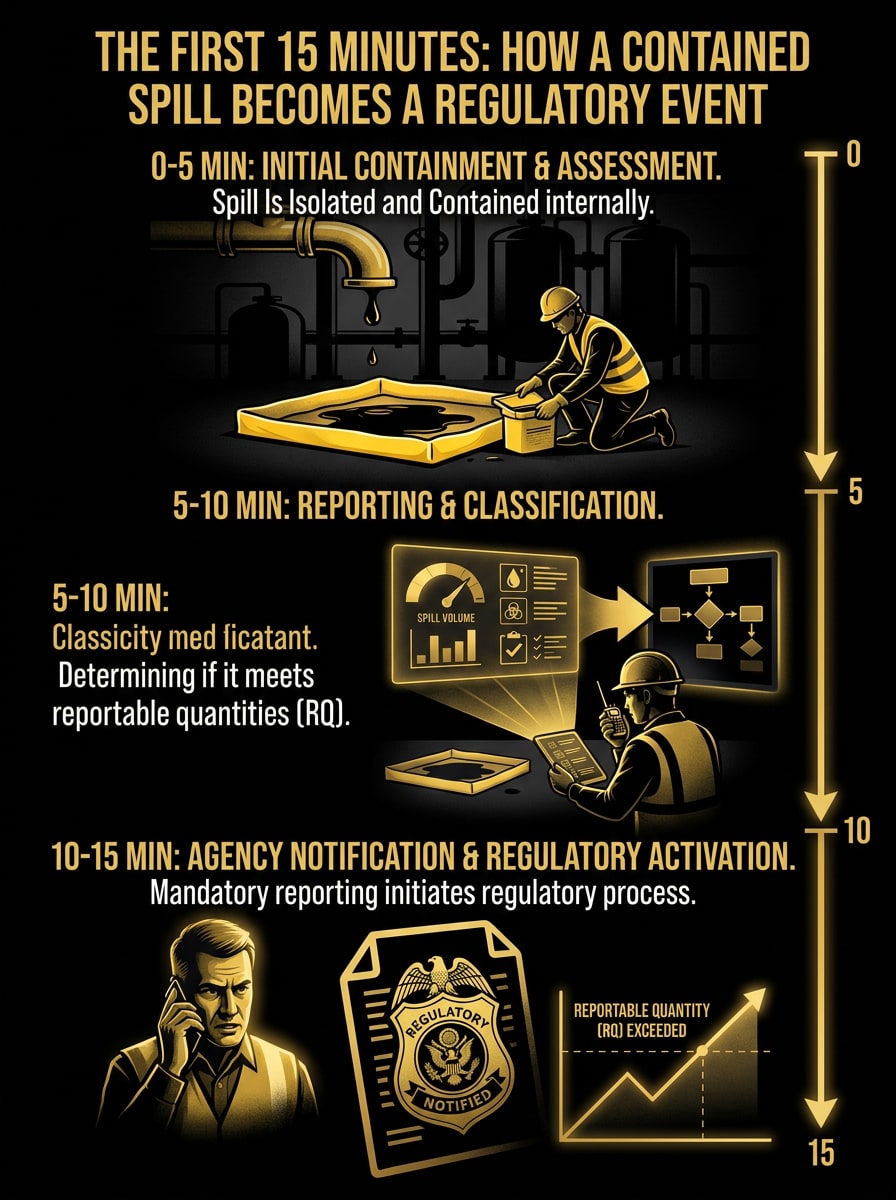
Which is why the retrieval system and the attendant are not optional accessories to an entry. A full-body harness with a retrieval line and a mechanical device, a tripod or davit at the opening, and an attendant who never enters but stays in constant contact, are what let a downed worker be pulled out from outside the space. The plan that relies on a coworker climbing in to help is not a rescue plan. It is a plan for two casualties. This is the same first-fifteen-minutes discipline that decides every emergency response: The First 15 Minutes, and it lives or dies on whether the gear was on the truck before the call, not after: The Truck Stock Audit.
What separates the crews that come back up
After enough entry reviews, the crews that never turn a vault into a double fatality share a short list of habits, and most of them are equipment decisions made long before the entry:
- The meter is bump-tested every day and calibrated on schedule, with the records to prove it, because an unverified reading is not a reading.
- They test in order and continuously, oxygen, then flammables, then toxics, before entry and throughout it, not once at the top.
- Ventilation runs and is monitored, so the blower is a measured control and not a gesture.
- Retrieval is rigged before entry, harness, line, tripod or davit, and an attendant who stays out.
- Nobody freelances the rescue, because the plan for a downed worker is non-entry retrieval, not a second person going in.
The supply-side version of a confined-space fatality
A confined-space death reads as a training and supervision failure, and often it is. Underneath it, with grim regularity, is a supply and equipment failure wearing a training costume: the meter that was never docked to a station that would bump-test it automatically, the calibration gas that ran out and was not reordered, the blower that was too small for the volume, the retrieval tripod that lived in the shop instead of on the truck.
That is why we stock confined-space entry as a life-safety system, not a shelf of instruments. Ventis and Altair Four-Gas Monitors with Calibration Gas and Docking StationsIndustrial Scientific / MSA so the meter is verified before it is trusted, and Confined-Space Ventilation Blowers, Tripods, and Retrieval SystemsAllegro Industries so the atmosphere can be changed and a downed worker can be pulled without a second entry. Environmental and spill-response supply is not won by owning the most expensive gas monitor. It is won by the meter that was bump-tested this morning and the retrieval rig that was already rigged when the atmosphere turned.
Before the next entry goes on the schedule, ask the two questions that decide whether the crew comes back up the ladder: when was that meter last bump-tested, and is the retrieval system rigged before anyone descends? If the answer to either is a shrug, the permit is complete and the space is not controlled.
If you are rebuilding your confined-space program for 2026 and want the monitor, the calibration supply, the ventilation, and the retrieval rigged as one entry system, we should talk. Field reports like this one are how we share what we are seeing across the verticals we serve.
Sources
- OSHA, Permit-Required Confined Spaces 29 CFR 1910.146
- OSHA, Confined Spaces in Construction, 29 CFR 1926 Subpart AA
- OSHA, 29 CFR 1926.1204, Permit-Required Confined Space Program
- OSHA, 29 CFR 1926.1202, Definitions (oxygen thresholds)
- OSHA, Confined Spaces Safety and Health Topics
- eCFR, 29 CFR Part 1926 Subpart AA, Confined Spaces in Construction

DFW-based distributor of restoration, abatement, and environmental supplies. Built to give crews a partner, not a vendor.